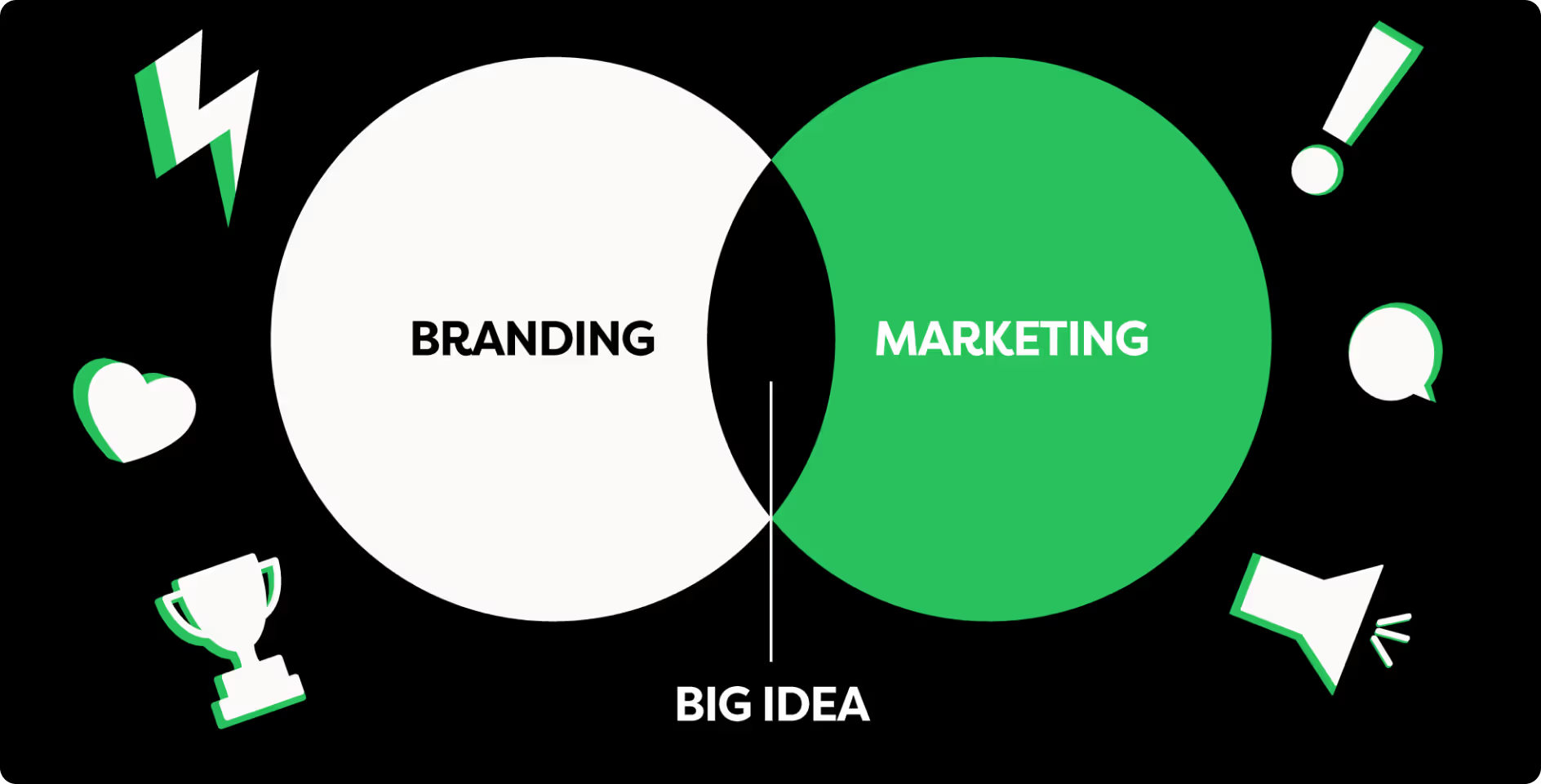
Let’s cut straight to the chase: Building a brand reputation from your product or service alone isn’t enough. Your marketing is just as important, and in exceptional cases, it can be a brand’s stand-out moment. We’re talking about Innocent Drinks’ irreverent social media presence, Ben & Jerry’s bold approach to activism, and not forgetting John Lewis’ often-imitated Christmas ads.
These are big brands, and so with that, we’re talking big budgets too. But it’s all relative. At some moment in time, the internal marketing team has set a strategy and decided that they want to be a brand that breaks tradition and in many cases, sets a trend. By doing so, they not only build a reputation in their own market but they begin to get noticed by broader consumer audiences too.
Are we saying that Innocent’s quirky one-liners and oddball advertising turns people on to smoothies? People who had never considered buying a smoothie before? Yes, yes we are. When a brand can execute marketing at such a level that it almost eclipses the product itself, you know they’re on to a winner.
Where does it all begin?
Marketing directors and brand teams don’t necessarily wake up one day with a great idea, execute said idea and watch the cash come rolling in. Okay, some do, but we don’t have that magic formula bottled and ready to sell just yet.
Getting your marketing just right is a delicate balance of strategy and iteration. In other words, finding that fertile middle ground between a crazy idea and a reliable bed of research.
John Lewis and their foray into Christmas advertising is a prime example. On the one hand, it seems crazy to concentrate so much marketing budget on a one-hit campaign, particularly one so reliant on emotion and storytelling. On the other hand, they know their audience: Affluent families who, for the most part, see Christmas as a time to come together and celebrate. The message is clear: Christmas is a time for giving, and John Lewis sell just about everything you might want to give at that time of year.
But what does this look like in smaller organisations? How can you apply big John Lewis thinking to your own brand marketing without making your customers cry at the TV?
Understand your current audience
Building repetitional marketing is a great opportunity to go back to basics. Who is your audience? What are their needs? Their goals and aspirations? What inspires them? What keeps them buying from you?
Understand your potential customer
Building repetitional marketing is a great opportunity to go back to basics. Who is your audience? What are their needs? Their goals and aspirations? What inspires them? What keeps them buying from you?
Trends, fads, virality and clichés
Building repetitional marketing is a great opportunity to go back to basics. Who is your audience? What are their needs? Their goals and aspirations? What inspires them? What keeps them buying from you?
Keep an ear to the ground
Building repetitional marketing is a great opportunity to go back to basics. Who is your audience? What are their needs? Their goals and aspirations? What inspires them? What keeps them buying from you?
.jpg)